
PTO Shaft for Planters – Precision-Matched for Peak Efficiency
The interface between tractor and planter is one of the most stressed mechanical connections on a farm. Our PTO shaft for planter is precision-matched to the torque curves and speed profiles of row crop planting operations, reducing power loss and extending the life of every connected component. Available in multiple series to suit tractors from compact utility to high-horsepower models.
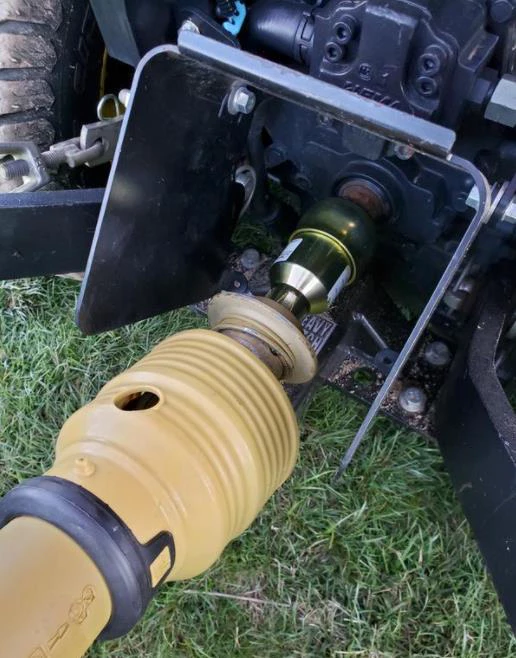
Technical Specifications – Planters PTO Shaft
| Parameter | Spezifikation / Anpassbarer Bereich |
|---|---|
| Anwendung | Planters |
| Empfohlene Traktorleistung | 30–90 HP |
| Zapfwellendrehzahl | 1000 rpm |
| Maximales Dauerdrehmoment | 200–600 Nm |
| Maximales Drehmoment | 900 Nm |
| Schaftserie | T2 / L2 (Light-medium duty) / T3 / L3 (Medium duty) / T4 / L4 (Medium-heavy duty) |
| Außendurchmesser des Rohres | 57.5 mm |
| Montagegewicht | 10–36 kg (varies by length) |
| Kreuzgelenkgröße | 34.9×93.1 mm / 30.2×80 mm / 30.2×92 mm |
| Keilwellenhärte | HRC 60-65 |
| Betriebstemperaturbereich | -30°C to +100°C |
| Surface Treatment | Black oxide coated |
| Gardefarbe | Green (RAL 6018) |
| Maximaler Betriebswinkel | 45° |
| Rohrprofil | Splined profile or Lemon profile |
| Tube Wall Thickness | 3.0 mm |
| Optionen für die Jochaufnahme am Traktorende | Quick-release yoke / Splined yoke (1-3/8″ 21-spline) |
| Maximum Extended Length | 1438 mm |
| Yoke Material | Forged steel (40Cr) |
| Geschlossene Länge (Lmin) | 700–1100 mm (customisable) |
How the PTO Shaft Operates in Planters Applications
The PTO shaft serves as the mechanical bridge between tractor and planter. Mounted between the tractor’s rear PTO outlet and the implement’s input connection, it converts the tractor’s stationary-axis rotation into a flexible, articulating power stream that can follow the implement through field manoeuvres.
Internally, two precision universal joints provide up to 25° of operating angle, while the profile tube telescopes to accommodate the variable distance between tractor and implement during row crop planting operations. The shaft rotates at the selected PTO speed, delivering continuous torque to power the planter’s working components.
Built into the assembly is a torque-limiting device—either a friction clutch, shear bolt, or cam-release mechanism—positioned at the implement end. This device automatically disengages when torque exceeds a set threshold, preventing damage to both the PTO shaft and the planter’s internal gearing.
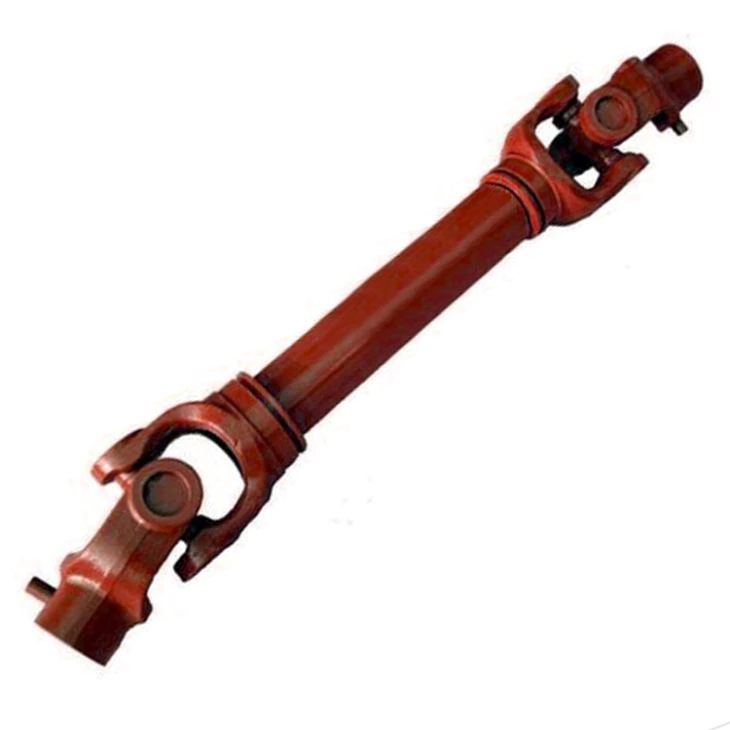
Core Advantages of Our PTO Shaft for Planters
⚙ Needle-Bearing U-Joints
Premium needle-bearing universal joints in our planter PTO shaft handle higher radial loads and last up to 3x longer than plain bearing alternatives.
🔨 Modular Assembly
Modular design lets you replace individual components—yokes, tubes, U-joints, guards—without replacing the entire shaft assembly.
🔒 Dual-Direction Protection
Overrunning clutches prevent reverse torque from damaged implements from feeding back into the tractor’s PTO gearbox.
⚖ Vibration-Dampened
Precision-machined profile tubes and balanced assemblies produce significantly less vibration, reducing operator fatigue during long shifts.
🛠 Colour-Coded Series
Series identification is simple with our colour-coded guard system—match the colour to your required torque rating instantly.
🌍 Fast Australian Delivery
Stocked in Australian warehouses for rapid dispatch—most orders ship within 48 hours to anywhere on the continent.
Compatible Brands & Interchangeable Parts
Farmers and contractors running planter equipment from Driveline Parts, Profile Connect, Weasler, Eurocardan, AgroTech, MecLine will find our PTO shaft a seamless replacement. We maintain a comprehensive compatibility database to match our products to thousands of OEM part numbers.
⚠ References to third-party brands are provided exclusively to facilitate product selection and cross-referencing. We do not manufacture products for these brands, nor do we hold or claim any rights to their trademarks.
Replacement Components
All shaft components are available as individual spares: universal joint kits, yokes in all standard bore sizes, telescoping tubes in various profiles, moulded safety guards, torque limiter assemblies, and complete rebuild kits. Extended availability ensures your shaft remains serviceable for years.
Standards, Policies & Regional Compliance
Australian Agricultural Machinery Standards
Our PTO shafts for planter applications are manufactured in compliance with the ASABE S203 (Guard dimensions) and ISO 5673 (PTO drive shaft interfaces) standards. These standards ensure dimensional compatibility and operational safety across all Australian farming environments.
Environmental Considerations
All materials used in our PTO shafts are RoHS-compliant. Packaging is recyclable, and we offer a used-shaft return programme for environmentally responsible disposal of end-of-life components.
Regional Service Coverage
We provide service and technical support across all Australian states and territories, including regional and remote areas. Local dealers in major agricultural centres stock our most popular shaft series and replacement parts for immediate availability.
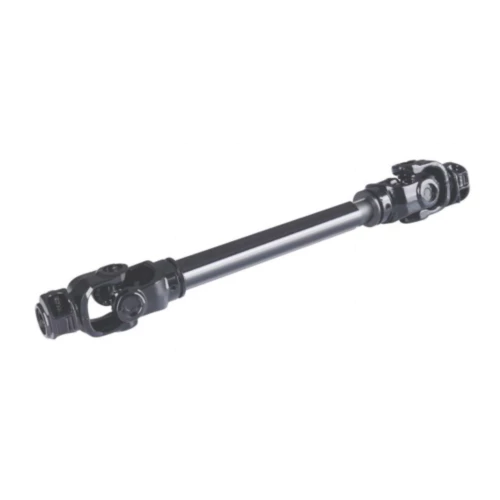
Quick Selection Guide for Planters PTO Shafts
Use the table below to determine the correct PTO shaft specification for your planter. Measure your existing shaft or consult your implement manual before ordering.
| Parameter | Was zu überprüfen ist | Typical Range for Planters |
|---|---|---|
| Traktor PS | Überprüfen Sie das Typenschild des Traktors oder die Bedienungsanleitung. | 30–90 HP |
| Zapfwellendrehzahl | Einstellung der Traktorzapfwelle und Anforderungen an Anbaugeräte | 540 oder 1000 U/min |
| Zapfwellenverzahnungsgröße | Zählen Sie die Verzahnungen am Zapfwellenstummel des Traktors. | 1-3/8" 6-Zahn oder 1-3/4" 6-Zahn |
| Wellenlänge im geschlossenen Zustand | Traktorzapfwelle messen, um Eingaben zu implementieren | 700–1100 mm |
| Erforderliches Drehmoment | Prüfen Sie die Bedienungsanleitung oder berechnen Sie die Berechnung anhand der PS-Zahl/Drehzahl. | 200–600 Nm |
| Empfohlene Serien | Anpassung an das Drehmomentanforderung | T2 / L2 (Light-medium duty) / T3 / L3 (Medium duty) / T4 / L4 (Medium-heavy duty) |
| Überlastschutz | Risiko einer plötzlichen Verstopfung einschätzen | Reibungskupplung oder Scherbolzen |
| Jochtyp implementieren | Anpassung zur Implementierung des Eingangswellenprofils | Schnellverschluss oder Keilwellenverschluss |
📌 Sie sind sich nicht sicher, welchen Schaft Sie wählen sollen? Kontaktieren Sie unser technisches Team. Bitte geben Sie Ihr Traktormodell und die Details Ihrer Anbaugeräte an, um eine kostenlose Empfehlung zu erhalten.
Installation Guide – PTO Shaft on Planters
⚠ Warnung: Vor Beginn der Montage den Traktormotor abstellen, die Zapfwelle auskuppeln und warten, bis alle rotierenden Teile vollständig zum Stillstand gekommen sind. Beachten Sie die Sicherheitshinweise des Traktor- und Geräteherstellers.
Schritt 1: Vorinstallationsprüfung
Unpack the PTO shaft and inspect all components for shipping damage. Verify that the yoke splines, U-joints, profile tubes, and safety guards are in perfect condition. Confirm the shaft series and length match your planter requirements.
Schritt 2: Richtig einstellen
Park the tractor with the planter in its normal working position. Measure the distance from the tractor PTO stub face to the implement input shaft face. Adjust the telescoping tubes so that the shaft closed length is approximately 10–15 mm shorter than this measured distance to allow for suspension travel.
Schritt 3: Traktorseitige Jochverbindung
Schieben Sie die traktorseitige Gabel auf die Zapfwellenstummel. Achten Sie darauf, dass die Verzahnung vollständig einrastet und der Verriegelungsmechanismus (Druckstift oder Sicherungsring) hörbar einrastet. Prüfen Sie, ob übermäßiges Radialspiel vorhanden ist.
Schritt 4: Implement-Endjoch verbinden
Align the implement-end yoke with the planter’s input shaft. Slide the yoke onto the splines or into the keyway and secure with the appropriate locking mechanism. If a torque limiter is present, ensure it is correctly oriented per the manufacturer’s markings.
Schritt 5: Sicherheitsvorrichtungen anbringen
Schieben Sie die Schutzhaubenhälften über die Welle und verbinden Sie sie mit den mitgelieferten Klemmen. Befestigen Sie die Halteketten der Schutzhauben – eine an der Zugstange des Traktors oder einem festen Punkt, die andere am Anbaugeräterahmen. Die Schutzhauben müssen sich frei drehen lassen und dürfen niemals an einem rotierenden Bauteil befestigt werden.
Schritt 6: Abschließende Überprüfung und Testlauf
Prüfen Sie, ob alle Verbindungen fest sitzen. Starten Sie den Traktormotor und schalten Sie die Zapfwelle im Leerlauf ein. Beobachten Sie die Welle auf gleichmäßige Drehung, ungewöhnliche Vibrationen oder Geräusche. Erhöhen Sie die Drehzahl allmählich auf Betriebsdrehzahl. Überprüfen Sie alle Befestigungselemente nach der ersten Betriebsstunde erneut.
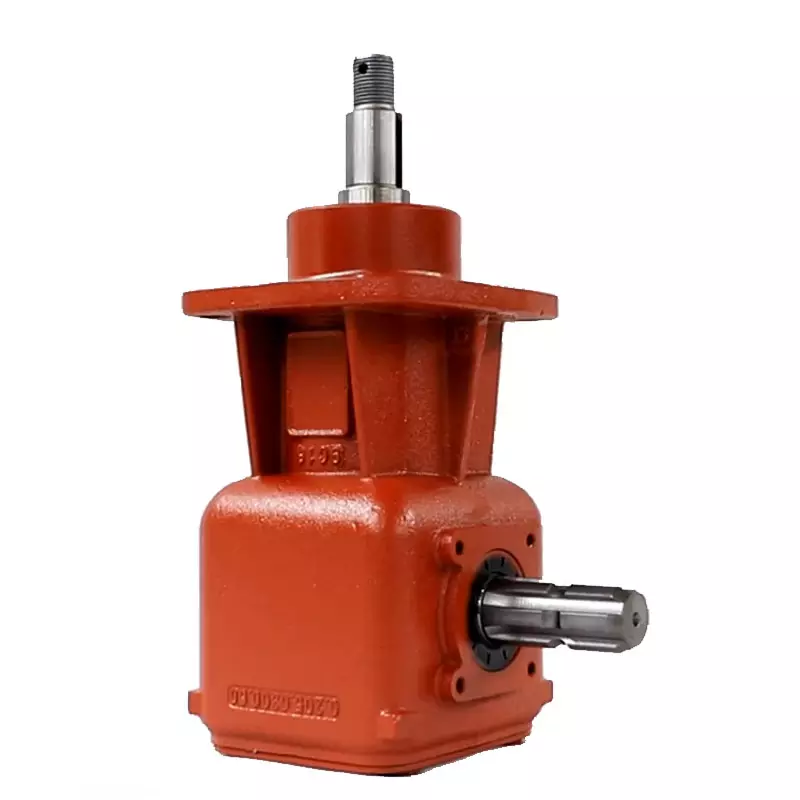
PTO Shaft Troubleshooting Guide for Planters
| Symptom | Mögliche Ursache | Empfohlene Maßnahmen |
|---|---|---|
| Übermäßige Vibrationen während des Betriebs | Verschleiß der Kreuzgelenklager; Unwucht der Welle; zu großer Betriebswinkel | Kreuzgelenksatz ersetzen; Jochausrichtung prüfen; Betriebswinkel auf <25° reduzieren |
| Implement speed inconsistent | PTO shaft slipping; worn splines; clutch partially engaged | Check yoke engagement; replace yoke if splines are worn; adjust or replace clutch assembly |
| Ungewöhnliches jaulendes oder knirschendes Geräusch | Ausfall des Getriebeeingangslagers; falsch ausgerichtete Welle | Getriebe des Anbaugeräts prüfen; Traktor und Anbaugerät neu ausrichten; Wellenlängenüberlappung prüfen. |
| Wärmeentwicklung am Kreuzgelenk | Unzureichende Schmierung; zu großer Betriebswinkel; Lagerausfall | Kreuzgelenke sofort fetten; Betriebswinkel verringern; Kreuzgelenksatz bei beschädigten Lagern austauschen. |
| Shear bolt breaks repeatedly | Implement blockage not cleared; wrong bolt grade used; shaft undersized | Clear blockage source; use only specified bolt grade; consider upgrading to next shaft series |
| Der Schaft lässt sich nicht reibungslos teleskopieren. | Korrosion oder Ablagerungen in Profilrohren; unzureichende Schmierung | Profilrohre reinigen und fetten; bei sichtbaren Riefen austauschen. |
| Klickende oder klopfende Geräusche bei niedriger Geschwindigkeit | Verschleißte Nadellager der Kreuzgelenke; lockere Gabel am Zapfwellenstummel | Kreuzgelenk austauschen; Verzahnungsverschleiß und Jochverriegelungsmechanismus prüfen. |
| Schutzvorrichtung dreht sich nicht frei | Schutzlager blockiert; Schutzvorrichtung beschädigt oder falsch ausgerichtet | Schutzlager austauschen; Schutzhälften richten oder ersetzen; Ketten wieder korrekt befestigen. |
Case Studies – PTO Shaft for Planters in Australia
Feldnotizen unseres Ingenieur- und Vertriebsteams in ganz Australien:
📍 Wagga Wagga, NSW – Trevor Collins
Zweck: Required a custom-length shaft for a non-standard tractor-to-implement spacing
Rückmeldung: „Die Schutzvorrichtungen sind massiv und lassen sich frei drehen. Sie erfüllen tatsächlich die Arbeitsschutzbestimmungen, im Gegensatz zu den billigen Modellen anderer Anbieter.“
📍 Launceston, TAS – Robert Wilson
Zweck: Upgraded overload protection from shear bolt to friction clutch for smoother row crop planting operations
Rückmeldung: “I ordered a replacement cross kit six months later and it arrived within 48 hours. Great product, great service, great support.”
📍 Rockhampton, QLD – Barry Sinclair
Zweck: Purchased a complete PTO shaft assembly as a spare for the busy season
Rückmeldung: “We swapped out our old economy shaft for this one and noticed an immediate reduction in vibration. The tractor runs quieter and the implement operates smoother.”
📍 Shepparton, VIC – Keith Douglas
Zweck: Nachdem die Originalwelle mitten in der Saison einen Defekt am Kreuzgelenk erlitten hatte, wurde ein passgenauer Ersatz benötigt.
Rückmeldung: “We run our planter hard across 2,000 hectares and this shaft hasn’t missed a beat after two full seasons. Exceptional value for money.”
📍 Esperance, WA – Ben Callahan
Zweck: Replaced a worn PTO shaft on a 3-year-old planter to restore full operating efficiency
Rückmeldung: „Unser Mechaniker war von der Präzision der Verzahnung und der Qualität der Nadellager beeindruckt. Er sagte, es sei die beste Nachrüstwelle, die er in 20 Jahren eingebaut habe.“
Frequently Asked Questions – PTO Shaft for Planters
❓ Worin besteht der Unterschied zwischen einer Scherbolzenkupplung und einer Reibungskupplung?
Ein Scherbolzen ist ein Verschleißbolzen, der bricht, wenn das Drehmoment seine Nennlast überschreitet. Er ist kostengünstig, muss aber nach jedem Einsatz manuell ersetzt werden. Eine Reibungskupplung rutscht bei Überlastung durch und greift automatisch wieder ein, sobald die Überlastung nachlässt. Dadurch wird ein unterbrechungsfreier Betrieb in Anwendungen mit häufigen Stoßbelastungen gewährleistet.
❓ Will this shaft fit my tractor and planter?
Our PTO shafts are available with all standard yoke types and spline sizes (1-3/8" 6-spline, 1-3/4" 6-spline, 1-3/4" 20-spline, and more). Provide your tractor model and planter make/model, and our team will confirm compatibility before dispatch.
❓ What PTO shaft series do I need for my planter?
For most planter applications in the 30–90 HP range, we recommend the T2 / L2 (Light-medium duty) or T3 / L3 (Medium duty) series. If you operate near the upper end of this range or in particularly demanding conditions, consider stepping up to the S6 (Standard) series for additional safety margin.
❓ Can the shaft be shortened to fit my setup?
Yes. The telescoping profile tubes can be cut to a shorter length using an angle grinder or chop saw. Ensure a minimum of 1/3 overlap remains between the inner and outer tubes after cutting. Deburr all cut edges before reassembly.
❓ Can I upgrade my existing planter PTO shaft to a heavier series?
In den meisten Fällen ja. Solange die Verzahnungsgrößen der Gabel zu Ihrem Traktor-Zapfwellenstutzen und der Eingangswelle Ihres Anbaugeräts passen, können Sie auf eine robustere Ausführung umrüsten, um ein höheres Drehmoment und eine längere Lebensdauer zu erzielen. Unser technisches Team berät Sie gerne zur optimalen Aufrüstung für Ihre Ausrüstung.
❓ Wie oft sollte ich die Zapfwelle abschmieren?
Fetten Sie alle Kreuzgelenknippel alle 8–10 Betriebsstunden oder zu Beginn jedes Arbeitstages. Fetten Sie die Teleskopprofilrohre im gleichen Intervall. Verwenden Sie EP2-Lithiumkomplexfett oder das in Ihrer Produktanleitung empfohlene Fett.
❓ How do I measure the correct closed length?
Hitch the implement to the tractor in its normal working position. Measure the straight-line distance from the face of the tractor PTO stub to the face of the implement input shaft. The shaft closed length should be approximately 10–15 mm less than this measurement.
❓ Welche Garantie bieten Sie auf Zapfwellen an?
Alle Zapfwellen verfügen über eine Herstellergarantie gegen Material- und Verarbeitungsfehler. Die Garantiebedingungen variieren je nach Serie. Kontaktieren Sie unser Team für spezifische Garantieinformationen zu Ihrem Produkt.
Verwandte Produkte
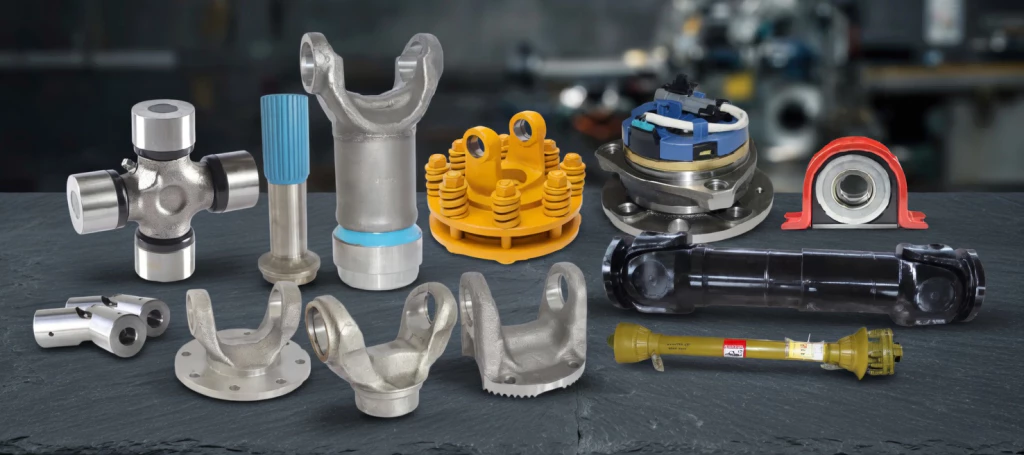
Complement your Planters PTO shaft with these products from our range:
Your Planters PTO Shaft Partner
From single-unit orders to container-load shipments, we are your dedicated partner for planter PTO shaft supply. Our commitment to quality, competitive pricing, and responsive service has earned us the trust of farmers and dealers across Australia.
Take the next step: Contact us today for a free consultation and custom quotation tailored to your exact requirements.